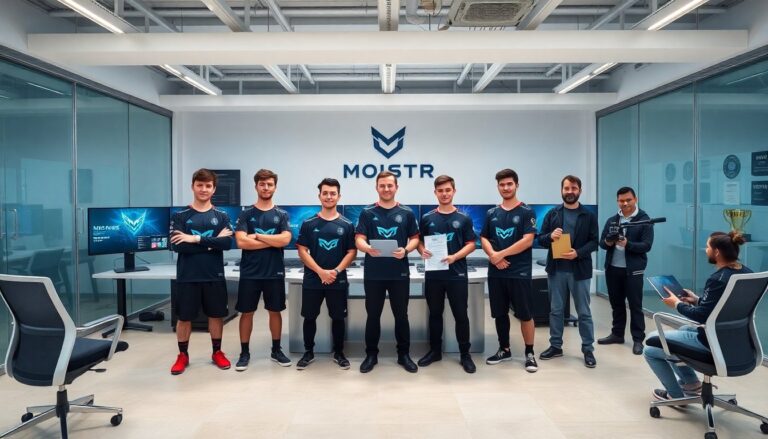


Gambit Esports grew fast and became a top esports organization. Gambit Esports built teams in CS2, VALORANT, and Dota 2. The group gained fans for bold signings and steady results. This article explains Gambit Esports’ origins, ownership, culture, roster moves, and landmark matches. The reader will get clear facts and timely context for Gambit Esports heading into 2026.
Key Takeaways
- Gambit Esports has rapidly grown into a leading organization with strong teams in CS2, VALORANT, and Dota 2.
- The organization emphasizes talent scouting, stable player contracts, and comprehensive support including coaches and analysts to build a team-first culture.
- Gambit Esports uses data analytics to guide roster moves, balancing experienced players with promising young talent for sustained performance.
- Signature players and strategic playstyles define Gambit Esports’ identity and have led to landmark victories that boosted their reputation internationally.
- The team’s focused preparation, including bootcamps and detailed opponent analysis, enhances synergy and adaptiveness across key tournaments.
- Looking ahead, Gambit Esports aims to refine rosters, expand scouting, and pursue major trophies while maintaining competitiveness in all esports titles.
The Rise Of Gambit Esports: Origins, Ownership, And Organizational Culture
Gambit Esports began as a small team and grew into an international brand. Gambit Esports formed in the mid-2010s and entered multiple titles. The owners invested in training facilities and player support. The ownership moved resources to local talent and international signings.
Gambit Esports kept a clear focus on talent scouting. The staff hired coaches, analysts, and sports psychologists. The organization put players on stable contracts and offered development paths. The front office tracked performance data and set measurable goals for each season.
Gambit Esports promoted a team-first culture. Coaches emphasized communication and role clarity. Players practiced set pieces and reviewed demos daily. The leadership rewarded results and accountability. The club encouraged young players to learn from veterans.
Gambit Esports expanded its brand with content and events. The media team produced interviews, behind-the-scenes clips, and highlight reels. The organization worked with sponsors to fund travel and bootcamps. Fans got regular updates on rosters and schedules.
Gambit Esports made strategic business moves. The owners formed partnerships with regional clubs and academies. The group invested in infrastructure for remote training and in-person camps. The steady investment helped Gambit Esports attract higher-tier talent.
Gambit Esports also managed public relations carefully. The communications team responded quickly to roster changes and tournament results. The brand kept messages simple and honest. This clarity helped Gambit Esports keep fan trust during rough patches.
Competitive Performance And Roster Evolution Across CS2, VALORANT, And Dota 2
Gambit Esports built strong competitive records across CS2, VALORANT, and Dota 2. In CS2, Gambit Esports rose through regional leagues and reached international events. The team showed disciplined utility use and aggressive entry strategies. In key events, Gambit Esports beat higher-ranked opponents and secured LAN invites.
In VALORANT, Gambit Esports fielded an aggressive roster that favored fast map control. The organization signed players from the CIS region and Europe. The roster underwent several changes as coaches sought better synergy. Gambit Esports improved its map pool and gained top-four finishes at seasonal events.
In Dota 2, Gambit Esports focused on young cores and stable coaching. The team aimed for consistent regional placements. Gambit Esports qualified for majors by winning qualifiers and occasional regional finals. The club prioritized flexible drafts and fast-paced play.
Gambit Esports used analytics to guide roster decisions. The data team tracked individual metrics and team efficiency. The front office compared player stats across scrims and matches. Management then offered contracts that fit salary budgets and long-term plans.
Gambit Esports balanced veteran presence and youth. The club signed experienced captains to mentor rising stars. The coaching staff rotated strategies to prevent predictability. Gambit Esports scheduled bootcamps before major tournaments to build synergy.
Gambit Esports faced roster turnover during slumps. The organization replaced underperforming players and promoted academy prospects. The changes often delivered short-term spikes and long-term stability. Fans watched signings closely and debated each move on social channels.
Gambit Esports tracked results against top rivals and adjusted game plans. The team improved its map vetoes and in-game calling. Across CS2, VALORANT, and Dota 2, Gambit Esports aimed to convert regular-season wins into deep playoff runs.
Signature Players, Playstyle, And Landmark Matches That Define Gambit
Gambit Esports built its identity around a few signature players and a clear playstyle. In CS2, the star rifler led entries and drew attention from opponents. That player often created openings that teammates exploited. Gambit Esports relied on coordinated executes and fast mid-round reads.
In VALORANT, a dynamic duelist carried rounds with first-contact kills. The team supported that duelist with utility-heavy controllers and precise crossfires. Gambit Esports emphasized map control on attack and late-round adaptation on defense.
In Dota 2, a young midlaner rose quickly and defined the pace with aggressive timings. The core pair focused on item spikes and objective control. Gambit Esports prioritized Roshan timings and tower trades to extend advantage.
Gambit Esports also had landmark matches that shaped its reputation. In CS2, a playoff upset against a favored opponent put Gambit Esports on the international map. The team executed a near-flawless tactical plan and overcame a round deficit to win the series. That match drew new fans and sponsor interest.
In VALORANT, Gambit Esports won a clutch series that showcased their late-round discipline. The duelists and support players traded space until the final round. The victory revealed Gambit Esports’ ability to close tense maps under pressure.
In Dota 2, Gambit Esports turned a losing draft into a win by focusing on teamfights and objective control. The squad secured a decisive Roshan fight and took consecutive high-ground pushes. That comeback reflected Gambit Esports’ resilience and draft flexibility.
Gambit Esports developed playbooks around signature strategies. Coaches wrote set plays for pistol rounds and post-plant scenarios. Analysts prepared opponent profiles and weakness lists. Players executed rehearsed options while keeping room for improvisation.
Gambit Esports cultivated rivalries with several regional clubs. These matches drew large viewership and intense commentary. Gambit Esports used those rivalries to test new tactics and to measure progress.
Gambit Esports looks to 2026 with clear goals. The organization will refine rosters, expand scouting, and target major trophies. Fans expect Gambit Esports to remain competitive across CS2, VALORANT, and Dota 2.