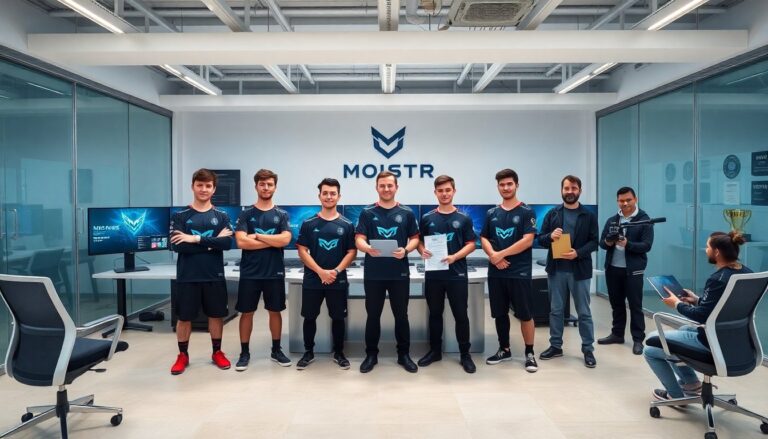
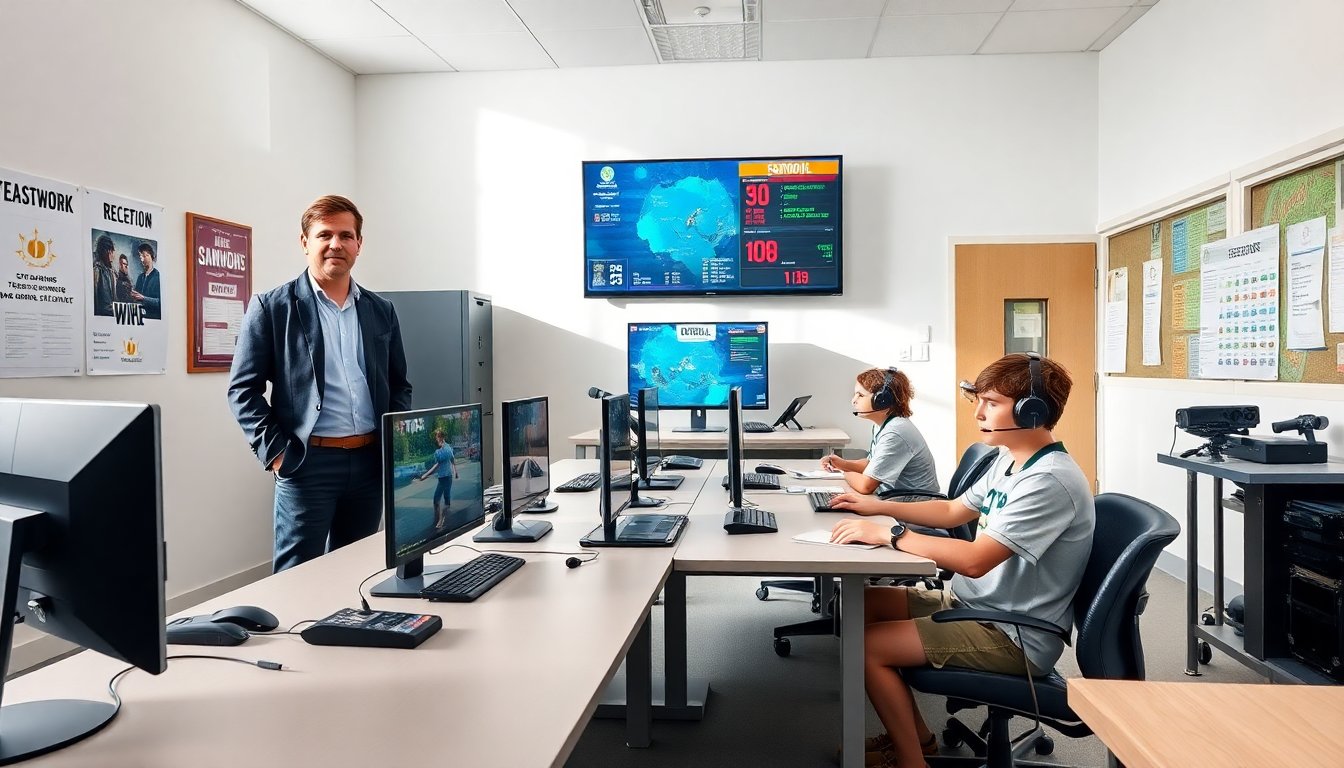

Esports middle school programs can engage students in new ways. The program can teach communication, strategy, and responsibility. Teachers can use esports middle school teams to boost attendance and focus. Parents can watch social skills grow through team play. Schools can run esports middle school programs with modest budgets and clear rules.
Key Takeaways
- Esports middle school programs enhance academic skills by integrating reading, math, and critical thinking into gameplay analysis.
- Participation in esports supports social development by fostering communication, teamwork, and conflict resolution among students.
- Emotional growth is encouraged as players learn stress management, resilience, and focus strategies through competitive play.
- Schools can start esports middle school teams with modest budgets by following clear steps including administrator approval, selecting appropriate games, and setting safety policies.
- A typical esports season lasts 8 to 10 weeks with structured roles such as coach, captain, and shoutcaster to build leadership and media skills.
- Esports programs complement traditional sports and arts, providing diverse options to engage students and improve school culture.
Why Middle School Esports Matters: Academic, Social, And Emotional Benefits
Esports middle school teams offer clear academic benefits. Students apply reading, math, and critical thinking while they study game mechanics and team stats. Coaches set practice goals, and students measure progress. Teachers link game data to classroom skills, and students see real outcomes.
Esports middle school play supports social learning. Players form roles, share tasks, and give feedback. Teams practice communication and conflict resolution in short cycles. Peers mentor each other, and quieter students gain confidence through defined roles.
Esports middle school participation supports emotional growth. Players learn to manage stress during matches. Coaches teach short routines for focus and calm. Students learn to accept loss and to plan improvements after a match. These lessons transfer to tests, presentations, and group projects.
Esports middle school programs can improve school culture. Events give families and staff shared reasons to attend school activities. The program can create new paths to leadership through captain roles and student referees. Schools can include students from different backgrounds, and that inclusion can reduce social isolation.
Esports middle school programs do not replace sports or arts. They extend options for students who prefer digital competition. Schools can offer both physical sports and esports middle school teams to serve diverse interests. This wider set of choices helps schools retain students who might otherwise disengage.
How To Start And Run A Successful Middle School Esports Program (Step‑By‑Step)
School leaders can follow a simple process to start an esports middle school program. First, leaders secure approval from administrators. They present clear goals, safety rules, and a basic budget. Second, staff choose a coach or advisor who can commit time. The coach sets practice times, team roles, and communication rules.
Third, staff pick age-appropriate games and league partners. Schools choose games that limit online chat and emphasize team strategy. They confirm licensing and age ratings and select leagues that focus on sportsmanship and learning. Fourth, staff set clear policies for behavior, screen time, and parental consent. The school posts these rules and collects consent forms before play.
Fifth, staff arrange equipment. A program can use a mix of school hardware and student-owned devices. Schools assign secure accounts and restrict purchases. IT staff set network priorities and content filters. Schools start with a small roster and scale later.
Sixth, staff schedule the season. Coaches set weekly practice, match days, and review sessions. Coaches keep practice short and focused. Coaches track attendance, game stats, and skill goals. Staff use this data to report progress to administrators and families.
Seventh, staff measure outcomes. Schools track attendance, grades, and behavior before and after the season. Coaches collect student feedback about teamwork and confidence. Schools use simple surveys and grade comparisons to show impact. These metrics help justify future funding for the esports middle school program.
Eighth, staff build community. Schools host showcase nights and invite parents. They highlight student roles like shoutcasters and managers to expand opportunities. These events create visibility and support for the esports middle school program.
Sample Season Structure, Roles, And Simple Budget Template For Schools
Season structure
A season runs eight to ten weeks. Schools hold two weekly practices and one match day per week. Practices last 60 to 90 minutes. Match days run after school or on weekends. Coaches review match footage in short 20-minute debriefs.
Roles and responsibilities
Coach: The coach plans practice, enforces rules, and reports metrics. The coach communicates with parents and administrators.
Team captain: The captain leads in-game calls and models behavior. The captain mentors new players.
Manager: The manager schedules matches, records stats, and handles equipment.
Shoutcaster/Analyst: A student records highlights and prepares simple reports. This role builds media and data skills.
Parent liaison: A parent volunteer coordinates travel, snacks, and consent forms.
Simple budget template (annual)
Equipment: $2,000 for 4 refurbished PCs or consoles and peripherals.
Network and security: $500 for filters and QoS setup.
Licenses and league fees: $300 for league entry and game licenses.
Uniforms and events: $400 for shirts and showcase supplies.
Coach stipend or training: $1,000 for part-time stipend or professional development.
Total estimated start-year cost: $4,200. Schools can reduce costs by using lab time, student devices, or community donations.
Quick implementation checklist
- Get administrator approval. 2. Appoint a coach. 3. Choose games and leagues. 4. Set policies and collect consent. 5. Secure equipment and network access. 6. Recruit students and run tryouts. 7. Launch season and track outcomes.
This plan helps schools start an esports middle school program that fits schedules and budgets. Schools can scale the program after the first season based on student interest and measured outcomes.