
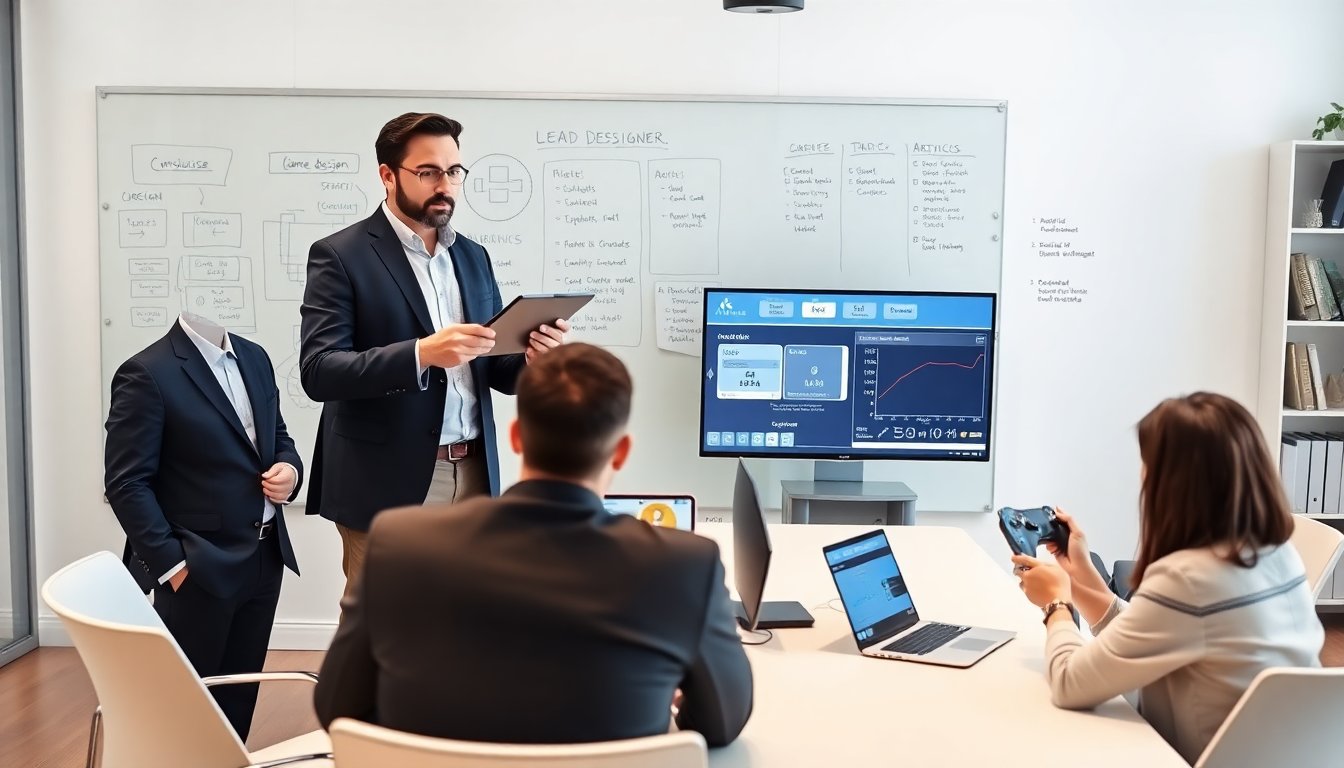

Video game design and development explains how teams turn an idea into a playable product. This guide shows key steps, tools, and roles. It gives clear, practical advice for people who want to build games in 2026. The article uses simple language and direct examples to help readers learn fast.
Key Takeaways
- Video game design and development begins with a clear concept and prototype to validate core mechanics before full-scale production.
- Managing scope by breaking features into small tasks and prioritizing based on playtesting results ensures efficient game development.
- Selecting the right engine and establishing automated workflows like version control and continuous integration improve team productivity and project stability.
- Regular playtests, code reviews, and milestone demos keep the team aligned and the game quality on track.
- Thorough quality assurance focusing on critical bugs and polish enhances player experience and meets platform certification requirements.
- Post-launch support with frequent updates, data-driven content additions, and player communication is vital for long-term game success.
Core Stages Of Game Design: Concept To Prototype
Game teams start with a concept. They state the core idea, target audience, and platform. They list the main mechanics and the player goals. A short design document captures the vision. Teams keep this document simple. They revise it after feedback.
Designers then build a prototype. They pick the lowest-effort tool that proves the mechanic. They use paper sketches, spreadsheets, or a simple engine scene. The prototype shows if the idea feels fun. They test the prototype with a few players. They watch players play and note where players struggle. They iterate on the prototype until the core loop feels clear.
Teams add basic art and sound to the prototype only when the mechanic works. They avoid full art at this stage. They keep scope small to reduce risk. They set clear success criteria for the prototype. They decide if the project moves to full development or stops.
Throughout design, teams manage scope. They break features into small tasks. They estimate each task and prioritize the ones that prove the game. They plan milestones that deliver playable builds. They review progress at each milestone. They adjust priorities when the playtests show problems.
Design teams also define metrics. They pick a few numbers that show player engagement. They track those numbers in early builds. They use data to confirm design choices. They still use human feedback for feel and fun.
Technical Development: Engines, Tools, And Workflows
Developers select an engine early. Popular choices include Unity and Unreal Engine. Teams may pick simpler engines for 2D projects. They pick an engine that matches the team skill set and the game scope. They balance performance needs with development speed.
Developers set up a pipeline. They create asset folders, naming rules, and build scripts. They automate frequent tasks like builds and tests. They use version control so team members can work safely. They run continuous integration for automated builds when possible. They keep the main branch stable for designers to test.
Programmers carry out core systems first. They code input, camera, physics, and save systems before advanced features. They keep systems modular so they can replace parts later. They write unit tests for critical systems. They profile early to avoid late performance surprises.
Artists and audio designers work in parallel. They export optimized assets that fit engine requirements. They use prefabs and shared materials to speed iteration. They keep high-resolution assets in archive and use lower-resolution versions in builds.
Teams use middleware for common needs. They pick libraries for UI, analytics, and multiplayer when it saves time. They check license terms before integrating third-party tools. They plan for platform certification rules early to avoid last-minute rework.
Workflows include regular playtests and code reviews. Designers and developers hold short reviews to align goals. They keep task trackers updated and limit work in progress. They hold weekly demos so stakeholders see a playable product often.
Polish, Testing, And Launch: From QA To Post‑Release Support
Quality assurance starts before feature complete. Testers run daily play sessions on the current build. They log bugs with clear steps to reproduce. They classify bugs by severity and impact. They focus first on crashes and major gameplay blockers.
Developers fix critical bugs first. They create regression tests for recurring problems. They freeze major systems before a certification build. They run test plans that match platform requirements. They include accessibility checks and performance targets.
Polish work improves clarity and feel. Designers refine timings, feedback, and progression. Artists adjust effects and audio to match player actions. They tune difficulty and reward pacing. They reduce friction in onboarding to keep players engaged.
As launch nears, teams prepare release assets. They create store descriptions, screenshots, and trailers. They set up analytics to track key metrics at launch. They choose a live ops plan for updates, events, and patches. They prepare a communication plan for players and press.
On launch day, teams monitor crashes, server health, and player feedback. They triage issues and deploy hotfixes when needed. They prioritize fixes by impact on the player base. They release small updates frequently to keep the product stable.
After launch, teams keep supporting the game. They add content based on player data and feedback. They maintain servers and fix security issues. They plan long-term support for monetization, balance, and community needs. They measure retention and adjust updates to keep players returning.